

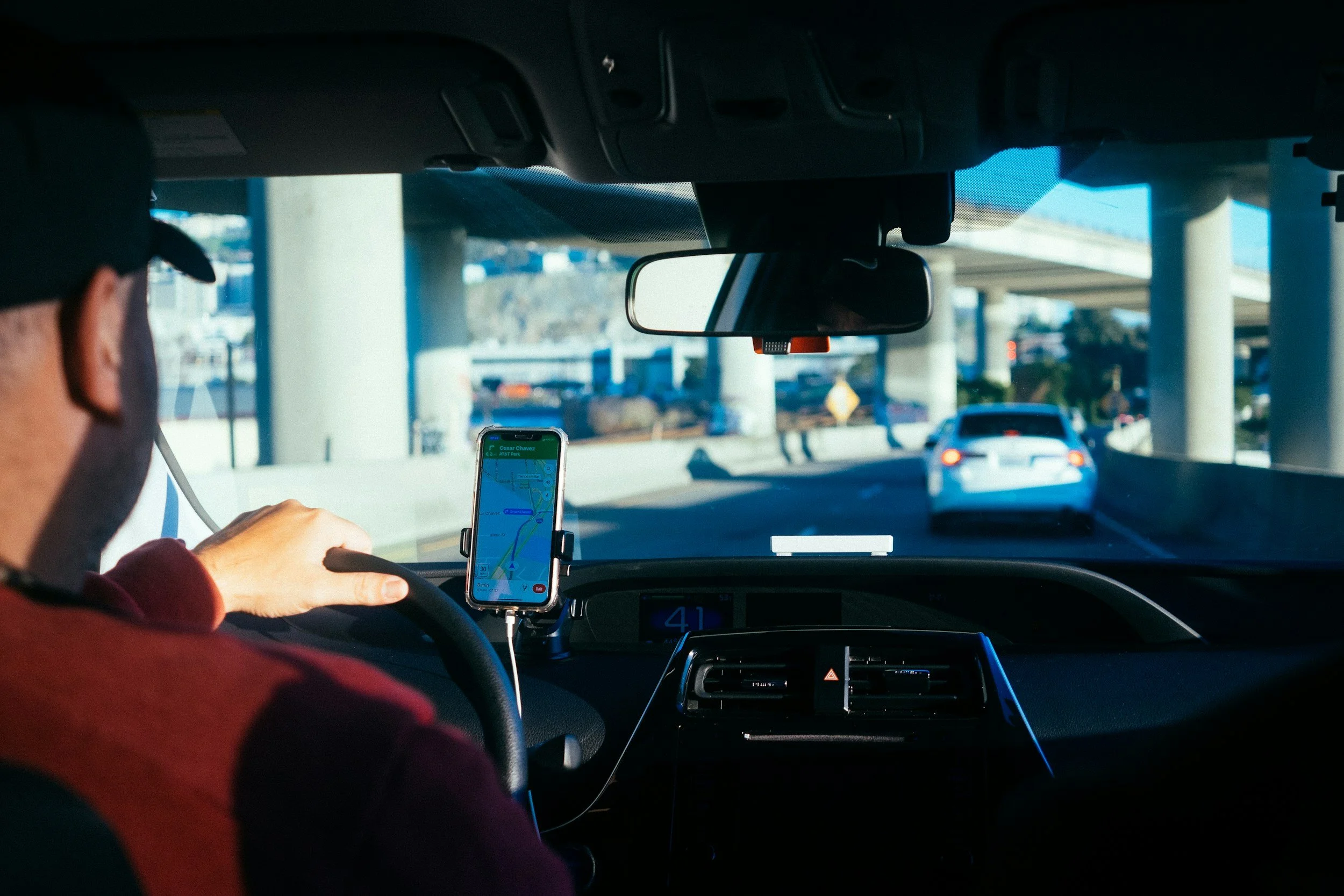
Uber has spent years telling the public that safety is a priority. It has invested in safety features, published safety reports, and positioned itself as a company committed to preventing harm. That commitment deserves serious scrutiny when compared with what was happening on its own platform. According to the Feminist Majority Foundation, citing an investigation by The New York Times, Uber received 400,181 reports of sexual assault or sexual misconduct in the United States between 2017 and 2022. That averages out to nearly one report every eight minutes. Thousands of survivors are now suing the company over allegations of sexual assault involving drivers, raising serious questions about what Uber knew, what patterns it could see, and whether it did enough with that information.
We Keep Calling Safety Prevention
There is another uncomfortable part of this story that deserves attention. We have gotten very good at teaching potential victims how to manage the risk of someone else's violence. Uber offers emergency assistance, trip sharing, identity verification, driver screening, and other safety features that can provide meaningful protection for riders. Those tools matter. The problem comes when safety strategies become our primary answer to sexual violence while the responsibility for using them continues to fall on the person who might be harmed.
Share your location. Check the license plate. Tell a friend where you are going. Keep your phone charged. Pay attention to the route. Know where the emergency button is. Trust your instincts. Look at where the responsibility sits in those instructions. It sits with the rider. She has to recognize danger and know how to respond to it. These tools may reduce risk and can be incredibly important in an emergency, but risk reduction is not prevention. Giving someone better tools to respond to danger does not address why that danger was allowed to reach them in the first place.
That distinction matters even more when we consider what Uber can see. A company like Uber has access to information an individual rider will never have. It can identify patterns across rides, locations, complaints, driver histories, and reports. The Feminist Majority Foundation also reports that Uber's own safety experts developed possible measures to reduce assaults, including technology designed to identify high-risk rider and driver matches, in-car cameras, and matching women riders with women drivers. According to the article, some of these measures were delayed, limited, or abandoned. Recent litigation has raised additional questions about what Uber knew and whether more could have been done sooner. When an institution can see patterns of harm that the people using its services cannot, it has a level of power those individuals do not have. With that power comes responsibility.
Prevention means doing something with what you know. For Uber, that means examining whether hiring and screening practices are actually keeping dangerous people from gaining access to riders. It means taking complaints seriously enough to recognize when they reveal a larger pattern and holding people accountable when the evidence warrants it. It means asking whether policies are actually working instead of simply pointing to the fact that policies exist. Most importantly, it means investing in change before another person is harmed, not only adding more tools survivors can use once they are already in danger. Uber cannot keep placing the burden of preventing sexual violence on the people most at risk of experiencing it and then call that prevention.
You cannot say you care about survivors while having access to patterns of harm and failing to make meaningful changes in response to them. You cannot tell riders their safety is a priority while making them responsible for recognizing danger and protecting themselves from it. An emergency button may be an important safety tool, but it becomes useful when someone believes they may already be in danger. That is exactly why we have to stop treating safety features and risk reduction as though they are the same thing as preventing the harm from happening.
Nearly one report every eight minutes should force us to question what we are willing to accept under the label of prevention. Uber has access to data, information, and patterns an individual rider will never have, and that power carries responsibility. Prevention needs to be survivor-centered, protective, and comprehensive. It requires institutions like Uber to use the power they have to change the conditions that allow harm to continue, rather than preparing the next person to respond when it reaches them. Uber cannot keep asking riders to carry the responsibility for preventing sexual violence and call that prevention.
Source:
https://www.nytimes.com/2025/08/06/business/uber-sexual-assault.html
https://feminist.org/news/every-eight-minutes-the-crisis-of-sexual-assault-in-uber-rides/