

From the DARCC Education Department
There is something powerful about hearing directly from survivors. While research, statistics, and training all play an important role in understanding sexual violence, survivor voices offer a perspective that cannot be replicated. They help us move beyond theory and into a deeper understanding of what harm, healing, and support can actually look like in real life.
At the Dallas Area Rape Crisis Center, our Survivor Speakers Bureau creates space for survivors to use their voices in ways that educate the community and strengthen survivor-centered responses. The purpose of SSB is not simply for survivors to share their stories. It is to ensure that survivor perspectives help shape how professionals, organizations, and community members understand sexual violence, respond to disclosures, and support healing. Through this work, survivors bring lived insight to conversations that can too easily remain distant or theoretical.
Members of the Survivor Speakers Bureau complete specialized training focused on boundaries, safety, narrative ownership, and ethical storytelling. This process helps ensure that survivors remain in control of their stories and are supported as they participate in this work.
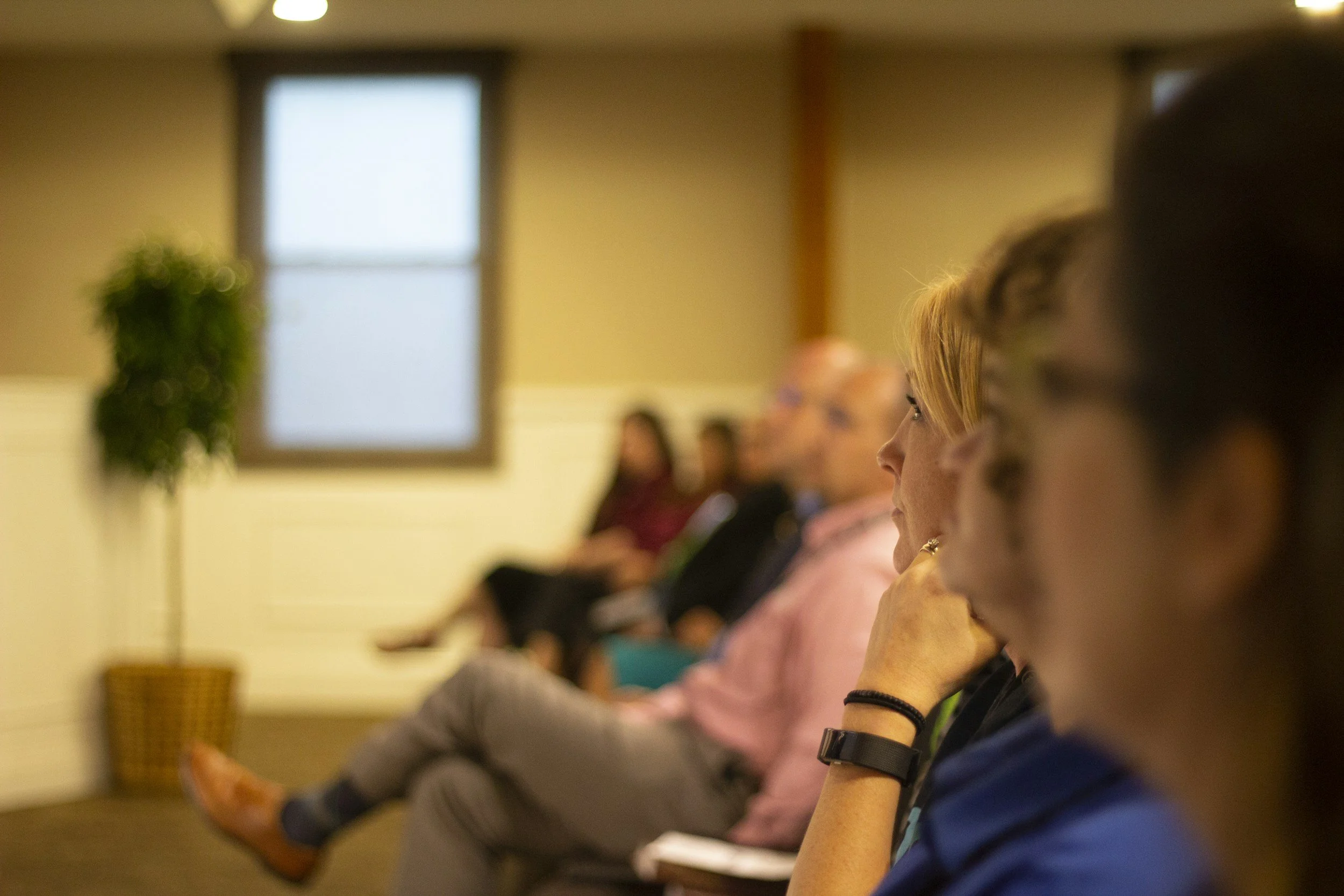
On April 29, DARCC will host a special Lunch & Learn panel titled What Survivors Want Us to Understand: Voices on Support, Systems, and Healing. During this guided conversation, Survivor Speakers Bureau members will reflect on their experiences with disclosure, stigma, and navigating systems such as healthcare and the legal process. They will also share what meaningful support looked like in their own lives and what they wish others understood about the healing process.
We are sharing a preview of this Lunch & Learn early because we hope our community will make plans to show up and support Survivor Speakers Bureau members in this important conversation. We also know that many people may not yet be familiar with DARCC’s Survivor Speakers Bureau, and this panel offers a meaningful introduction to the heart of that work.
For survivors in particular, this session may also offer a glimpse into the Survivor Speakers Bureau experience. While this panel is only one part of the broader program, it can help survivors better understand the care, intention, and sense of community that shape SSB. It is also an opportunity to learn more about future ways to get involved, as DARCC continues creating spaces for survivor voices, leadership, and connection.
This session offers a unique opportunity to learn from survivor perspectives in a direct and personal way. Survivors are not simply telling their stories. They are offering insight into the moments that caused further harm, the responses that helped, and the ways people and systems can show up with greater care.
As attendees listen, they will be encouraged to reflect on how these perspectives connect to their own roles and relationships. Whether someone works in advocacy, healthcare, education, social services, or simply wants to be a safer and more informed support person, survivor voices have the power to deepen understanding and shape meaningful change.
Participants will explore how responses to disclosure can affect a survivor’s sense of safety, willingness to seek support, and overall healing. They will also hear what survivors have found most helpful across different helping roles and consider how schools, workplaces, healthcare settings, legal systems, and community spaces can influence survivor experiences.
The panel will be facilitated by Maggie Bego, Director of Education at the Dallas Area Rape Crisis Center, who works alongside Survivor Speakers Bureau members to bring survivor-centered education to the community.
Because this conversation centers deeply personal experiences, it will not be recorded. Protecting the privacy of Survivor Speakers Bureau members is essential, and we hope community members will join us live to listen, learn, and show support.
When survivors choose to share their voices, they offer more than personal testimony. They offer perspective, truth, and an invitation to do better. Listening is not passive. It is one way we build a community that listens more closely, responds more thoughtfully, and stands in stronger support of survivors.