

Survivors fought for transparency. What we do with it will reveal whether we were truly listening or merely looking.
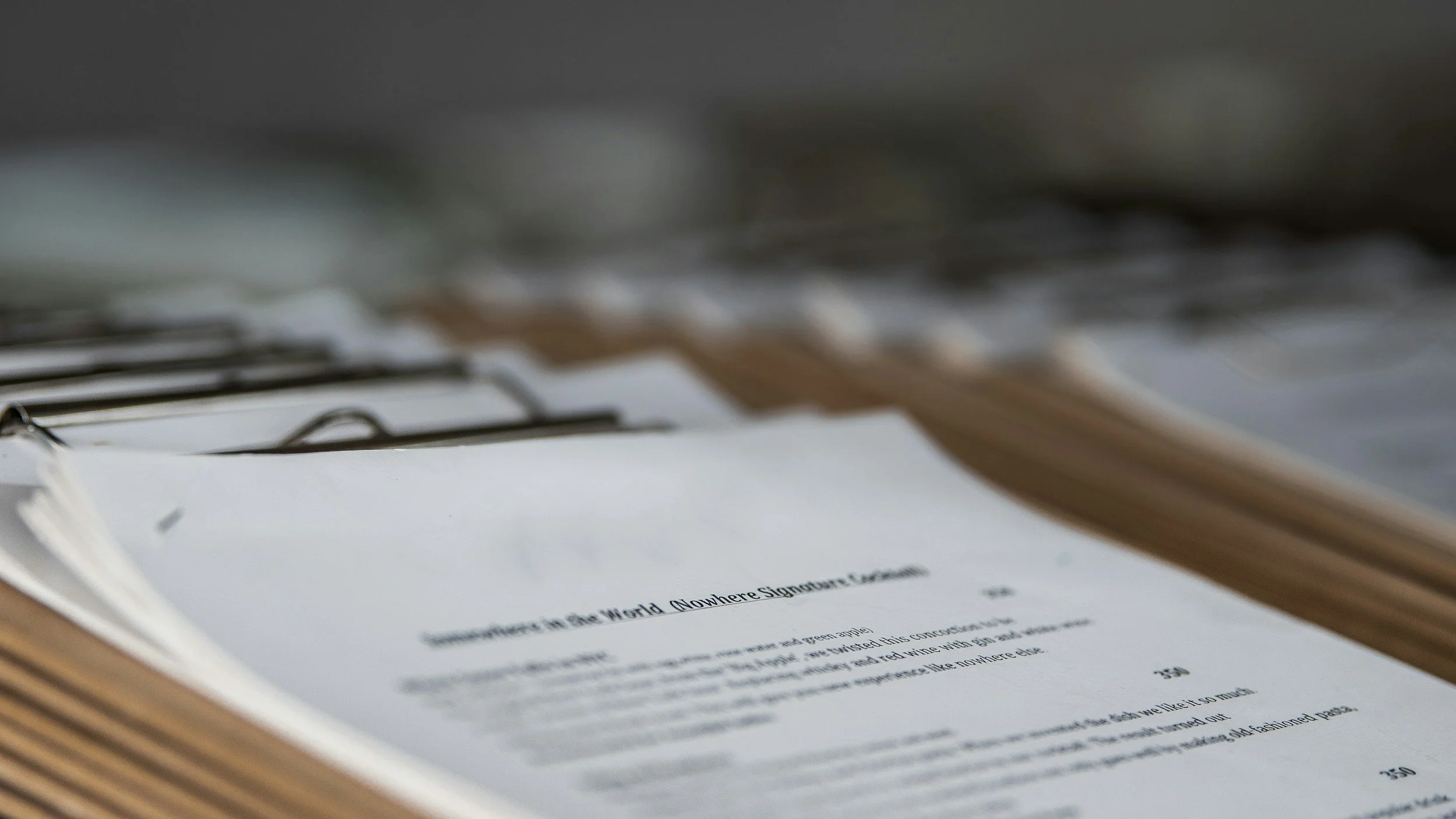
There is something deeply unsettling about standing in a room surrounded by millions of pages connected to sexual violence. At the Donald J. Trump and Jeffrey Epstein Memorial Reading Room, the scale of the case became physical. Shelf after shelf. Volume after volume. A room full of evidence, but not necessarily a room full of answers. Files can preserve evidence, expose patterns, and document decisions powerful people hoped would remain buried. What they cannot hold is the full life of the person behind the page. Trauma does not fit neatly into a binder. Neither does courage.
That does not make the files unimportant. Survivors fought for their release because secrecy protects power. They demanded access to information that had been hidden, controlled, and selectively released for years. The files matter because survivors said they matter, but transparency without care is not justice. The release was supposed to expose powerful people and the systems that enabled abuse. Instead, redaction failures exposed names, images, and identifying information belonging to survivors. Survivors fought to bring hidden harm into the light. They should never have been placed under that light themselves.
Before visiting the Reading Room, I heard two survivors connected to the Epstein case speak at separate conferences. Jess Michaels delivered the keynote address at the Female Survivors of Violence Conference in Plano, and a few weeks later, Elizabeth Stein spoke at the National Sexual Assault Conference in Washington, D.C. Public conversations about this case often become a numbers game. How many pages? How many names? How many survivors? Numbers communicate scale, but they can also create distance. Michaels and Stein closed that distance. They were not footnotes to a scandal or faceless figures behind a statistic. They were people showing us what this story looks like from the perspective of those forced to live with its consequences.
These records were not released because the public finally became curious enough. They were released because survivors refused to let the story disappear. That is the power of survivors finding one another. What was once dismissed as an isolated experience becomes an undeniable pattern. One voice can break the silence. Many voices can expose the system that depended on it. Their collective power forced the public to look beyond the actions of one man and confront the people and institutions that ignored warning signs, protected reputations, and benefited from silence. Abuse may begin with an offender, but it survives through systems willing to treat power as more valuable than accountability.
Now that the files are public, the danger is turning them into a celebrity scavenger hunt. A name appearing in a document is not automatic proof of wrongdoing. Context and verified evidence still matter, and accountability is not a roll call of famous people. Yet when public attention focuses almost exclusively on recognizable names, the same imbalance survivors fought against is recreated. Powerful people remain at the center while survivors are once again pushed to the margins. We cannot claim to center survivors while consuming their trauma as political entertainment.
Millions of pages have been released, but questions remain about what is missing. Releasing every file still would not be the finish line. Transparency must lead to accountability, stronger protections for survivors, and action before patterns of harm become impossible to ignore.
I went to the Reading Room to see the files, but I left thinking about the survivors I heard speak. The documents showed the scale of the case, while Jess Michaels and Elizabeth Stein made its humanity impossible to overlook. The question is not simply who is named, but what the records reveal about how abuse was allowed to continue. Who had the opportunity to intervene? Which institutions looked away? Which warning signs were ignored because acknowledging them would have been inconvenient, expensive, or embarrassing? That is where transparency becomes useful. The files are out, but the work is nowhere near finished. What happens next will reveal whether the public wanted accountability or merely access, and whether we will use the truth survivors fought to uncover or simply consume it and move on. Exposure tells us what happened. Accountability asks who failed. Prevention demands that we do something differently.
Sources
The Dallas Epstein files exhibit from CBS News Texas
The Epstein files Reading Room begins its U.S. tour from The Art Newspaper
The Epstein files Reading Room in Dallas from KERA
Elizabeth Stein on survivors’ demands for accountability from PBS NewsHour
Elizabeth Stein from World Without Exploitation
Jess Michaels from World Without Exploitation
This is Not a Policitcal Issue, this is a Crime PBS News